
热门搜索: 文化大观园
腹黑
From an online "weight-loss hack" to protective manicures: The humble bean that connects harvest, community and home in Shandong_我的网站

一 |
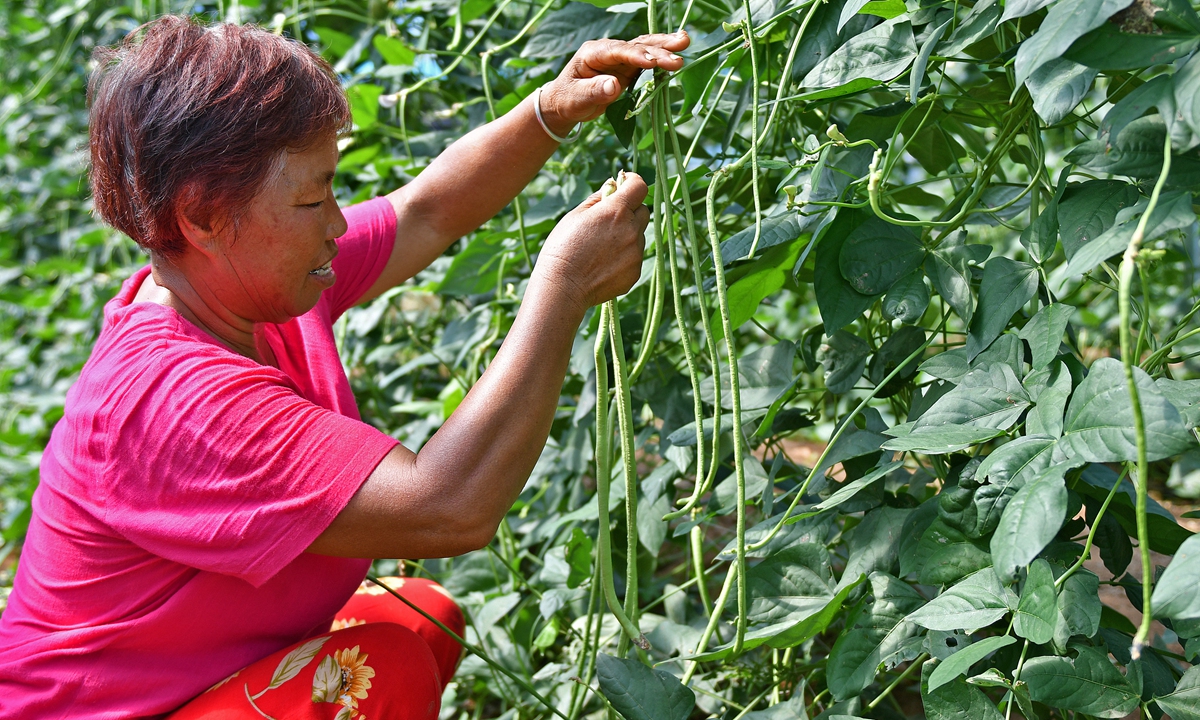
For residents of East China's Shandong Province, however, green beans have never been a miracle diet food or an internet meme. Instead, they are an unmistakable sign that summer has arrived — and, for many families, the beginning of weeks of eating them, giving them away and wondering how on earth there are still more waiting to be picked.
The season of endless beans
For Zhao Qian, a Shandong native, summer has always had a familiar color: green.
"When I was little, the moment different bean dishes started appearing on the table day after day, I knew summer had arrived," Zhao told the Global Times. "No matter how many we ate, there were always more. It was as if the vines kept producing beans overnight."
A Chinese saying goes, "Eating beans in summer is better than eating meat." Heat-loving green beans have been cultivated in China for more than one thousand years. Originally introduced from abroad, they gradually found a permanent place on Chinese dining tables thanks to their versatility, nutritional value and ability to fill hungry stomachs, according to an article published by People.cn.
Today, with the rise of greenhouse farming and an increasingly sophisticated cold-chain logistics network, fresh vegetables are available year-round across China. The old rule of eating produce only in season has largely given way to year-round abundance. Yet in Shandong, China's largest vegetable-producing province, green beans remain inseparable from summer. More than an endless seasonal harvest, they have become the taste of home for generations of locals.
One of Zhao's strongest childhood memories wasn't eating the beans, but preparing them.
"Every summer, the adults would hand me a basin full of freshly picked beans and ask me to strip off the tough strings along both sides," she recalled. "I'd sit on a little stool and work through the whole pile. It looked like an easy job, but after peeling bean after bean, my fingertips would start to hurt. By the time I finished one basin, there was always another one waiting."
For many families in Shandong, summer means an endless cycle of picking, eating and sharing green beans. In vegetable gardens, rows of trellises are soon covered in climbing vines. When the peak harvest season arrives, the beans need to be picked almost every day before they become old and fibrous. Those that cannot be finished at home are packed into bags and given to relatives, neighbors and friends.
"Your family has beans, and so does mine, but we still give them to each other," Cao Yu, a Shandong native who grew up on the Jiaodong Peninsula in East China, told the Global Times on Wednesday with a laugh.
A plentiful harvest also brings what locals jokingly call "bean freedom" to the dinner table. Sesame-dressed beans, braised beans with pork ribs and, above all, bean-filled steamed buns — a dish mentioned by almost every Shandong native interviewed by the Global Times. For many people, these dishes are no longer simply seasonal food, but the familiar taste of summer, family and hometown.
The hands that harvest summer
Behind the seemingly endless harvest is another busy summer ritual — picking. For many elderly farmers, harvesting green beans means spending hours each day moving from one trellis to another, reaching through dense vines and picking bean after bean by hand.
A nail salon in Jining, Shandong Province, recently went viral after offering free "bean-picking manicures" to residents aged 60 and above. Instead of fashionable designs or glittering decorations, the salon applies thicker, longer nail extensions that make it easier to pinch and snap off the beans while protecting fingertips from pain. A coat of colored polish is added simply to help conceal stains left by vegetable sap, according to video clips circulating on Chinese social media platforms Douyin and Sina Weibo.
The salon owner, herself the daughter of farmers, said thumb injuries and damaged fingernails are common during the bean-picking process. In videos posted on her Douyin account, many elderly women said the manicures made picking beans much easier. Even more amusingly, some older men initially refused to get a manicure, only to change their minds after hearing enthusiastic recommendations from the "grandmas' group."
For perhaps the first time, beauty took a back seat to practicality, and a manicure became another way of caring for hardworking hands.
While the internet continues to joke about undercooked beans as a shortcut to weight loss, doctors stress there is nothing amusing about eating them raw. Liang Jiajing, a clinical nutritionist at the Second Affiliated Hospital of Anhui Medical University, said raw or undercooked beans contain naturally occurring toxins that can cause nausea, vomiting, abdominal pain and diarrhea, but the toxins are destroyed through thorough cooking, according to a Jimu News report.
The internet may remember green beans as the latest viral "weight-loss hack." In Shandong, however, they tell very different stories — one of overflowing harvests, bags of beans exchanged between neighbors, family recipes passed down through generations, and hardworking hands that quietly bring the harvest to the table. Long after the online jokes fade, the taste of summer — and of home — remains.
。

二 | 中国小康网 独家专稿 文|《小康》·中国小康网记者 袁帅对于二手电商来说,其旧物回收模式已十分成熟,那么,“换什么”“怎么换”便成为决定“换新”业务能否落地的重要门槛。 随着消费文化的日益繁荣和科技的快速发展,无论是衣物、书籍,还是手机、家电,除了住房、汽车这样的大件商品,人们日常使用的各类产品的更新换代速度都越来越快,大量的废旧产品成为了一个亟待解决的问题。在国务院常务会议审议通过《推动大规模设备更新和消费品以旧换新行动方案》这一背景下,不少电商纷纷开展以旧换新业务,这不仅为消费者提供了便捷、经济的购物选择,也推动了循环经济和绿色消费的发展。“换新”市场 一直专注于转卖旧物的闲鱼如今瞄准“换新”市场,将其业务与母集团阿里旗下的天猫无缝衔接,延伸业务触角。摄影/宁颖 多家平台瞄准以旧换新 传统的消费模式往往是“一次性使用,然后丢弃”,导致了大量的资源浪费和环境污染。而以旧换新业务的出现积极倡导消费者将废旧产品进行回收,通过二手电商平台进行交易,最终实现资源的再利用。

三 | 这不仅减少了对新资源的需求,降低了环境压力,也为企业和个人带来了经济效益。专注于闲置商品交易的二手电商平台拓展以旧换新业务,极大地促进了人们绿色消费的习惯养成,并实现了消费领域的循环经济闭环。 一直专注于转卖旧物的闲鱼如今瞄准“换新”市场,将其业务与母集团阿里旗下的天猫无缝衔接,延伸业务触角。在2023年“双11”期间,闲鱼联合天猫发起针对家电、手机数码品类的“以旧换新”活动,推动用户置换高能耗旧家电。

四 | 消费者通过闲鱼首页的“省心卖”频道,将旧手机回收,每满1000元将额外收到200元补贴,最高补贴达800元。加上旧机抵扣金额,换算下来,一台苹果手机最低可用3.7折购入。

五 | 另外,消费者以旧换新,购买活动范围内的国家新标准一级能效家电,通过双重补贴至多能省下630元,并能获得额外绿色消费券。此举促进了该平台家电以旧换新交易额同比增长20%,手机以旧换新交易额更是同比增长191.4%。 这不是闲鱼第一次尝试以旧换新,在去年9月开展的“帮卖”活动期间,闲鱼也试水推出了“iPhone15以旧换新”计划,参与闲鱼帮卖卖出旧机的用户,有机会获得闲鱼上的购新资格,在苹果官方渠道正式发售后可在闲鱼上以官方价买到。对此,闲鱼总裁丁健分析称,“以旧换新”政策能激励消费者更换老旧产品,购买更加环保、节能、高效的新产品,将极大地扩大闲置物品的流通规模,让闲置交易行业乃至整个循环经济迎来新一轮的上升周期。 同为阿里系的天猫也于上个月宣布,2024年将联合商家投入5亿元加码以旧换新补贴,扩大补贴范围与力度,并扩充团队支持全国1800个区县大件商品上门送新取旧。同时,以旧换新范围将扩展至家装家居品类,新增商品超10万。 不仅以闲鱼为代表的阿里系看好以旧换新市场,直播平台抖音和快手也陆续针对大家电和3C产品推出了不同优惠程度的“以旧换新”服务,甚至连苏宁易购、国美的官网也加入了“换新”大军。京东对于这一领域更是摩拳擦掌,上个月,京东宣布2024年将携手合作伙伴共同投入65亿元,为新一轮大规模设备更新和消费品以旧换新提供支持。

六 | 目前,京东以旧换新服务已覆盖超200个细分品类,覆盖全国95%以上的城市乡镇等地区。京东预计,在2024年,参与家电家居以旧换新的用户数将在京东平台上突破2000万大关,同时,通过这一服务回收的家电家居旧物数量也将达到惊人的3000万台以上。 美团数据显示,截至今年3月,平台上“以旧换新”服务的搜索量同比增长超60%,手机、电脑、家电、首饰等产品的以旧换新搜索热度较高,汽车、电动车以旧换新日益成为低碳环保消费新趋势,搜索增速位居前列。

七 | 截至3月12日,平台上提供以旧换新服务的商家数量同比增长300%,团购销量增长150%。随着以旧换新业务的兴起,越来越多的电商平台加入这一领域,竞争日益激烈。为了保持市场地位,二手电商平台需要不断创新业务模式,提升服务质量。 换什么?怎么换?能换多少? 随着消费者对绿色消费理念的认同和二手电商市场的不断壮大,以旧换新业务的发展前景十分广阔。对于既有大量闲置商品资源,又有完善的物流体系和回收机制的二手电商来说,其旧物回收模式已十分成熟。

八 | 那么,“换什么”“怎么换”“能换多少”便成为决定“换新”业务能否落地的重要门槛。此前在北京风靡一时的回收平台“再生活”就曾为解决流量变现问题,拓展了用旧衣物、二手书籍等换置米面粮油等生活物资、用品的业务。该业务流程中一大优势是,工作人员回收物品时可直接将用户提前在手机平台上兑换好的物品送货上门,跑一次完成两种业务,对于节能减排也大有裨益。 不可否认的是,由于该平台起家于回收业务,所以“换新”的生活物品并没能拿到低廉价格,换句话说,用户如果在“再生活”上用以旧换新的模式进行采购,将支付比实体超市菜场或美团买菜、七鲜等专业电商平台更高的费用。当时“再生活”的负责人对此现象的解释是“我们售卖的蔬菜瓜果品质更优”,但能选择以旧换新模式的消费者往往更倾向于商品的性价比,而非只看品质。“再生活”用了一年多的时间进入了它的“黄金时代”,拥有25万注册用户,移动端单日活跃用户为2万,并覆盖了北京近1000个小区,社区渗透率达到30%,日均单量达到8000单。然而由于没能很好地解决以旧换新的瓶颈问题,加之融资随后出现问题,“再生活”最终消失在了人们的视野里。 在实际运营过程中,二手电商平台还面临着信任问题。部分消费者对二手商品的品质和安全性存在疑虑,这在一定程度上制约了以旧换新业务的发展。为了解决这个问题,二手电商平台需要加强商品质量监管,提高消费者的信任度。

九 | 而监管又涉及到以何标准评判的问题,目前,以旧换新业务在商品评估、回收流程等方面尚未形成统一的标准,这可能导致不同平台之间的业务差异较大,影响消费者的购物体验。 对此,丁健表示,一方面闲鱼将配合有关部门进一步推动闲置行业的规范化发展。

十 | 另一方面,也将探索数字化社区便民回收的新模式,同时利用数字化能力,助力回收行业在回收方式及产品技术端的升级。在2023中国国际服务贸易会上,闲鱼参与起草两项减碳团体标准发布,其中一份《基于项目的温室气体减排量评估技术规范 循环经济领域资源化过程 互联网平台废弃产品回收》的团体标准,就是围绕回收场景做的标准化探索。

十一 | 目前闲鱼上的回收服务已覆盖手机数码、家电、旧衣、旧书等64个品类,全国100个城市可实现上门回收。今年年初,闲鱼还在杭州试运营了首家循环商店,该商店以社区店的形式服务周边及同城用户,为其提供实体物品寄卖、回收等服务,覆盖品类包括日用消费品、手机数码、大件家具家电甚至汽车。在过去一年,闲鱼上多品类循环订单数量呈增长态势。其中,家电所产生的循环订单量同比增长11%,手机所产生的循环订单量同比增长17%。这一数据也说明了消费者对以旧换新业务的认可,作为一种新型的商业模式,以旧换新既推动了循环经济和绿色消费的发展,也为消费者提供了更多的购物选择,使人们在享受新商品的同时,还能得到旧商品的回收价值,降低购物成本。

十二 | (《小康》·中国小康网 独家专稿) 本文刊登于《小康》2024年4月下旬刊。
Current article:http://8b4os.mexuanmeixuyaopinzheng.shop/bgqg/20260826/544316.html
Published on:18:50:25
栏目相关
- 全红婵跳板首秀夺冠,跳水梦之队世锦赛百金达成!
- What to Know About the New COVID-19 Booster Shots Planned for Next Month
- राजीव शुक्ला बने BCCI के कार्यवाहक अध्यक्ष, रोजर बिन्नी की जगह ली; इस नियम के चलते हुआ बदलाव
- 配置升级 2026款MG5/MG Cyberster将于6月30日上市
- “再也不敢网上买绿植了”,女子59.8元买的盆栽18天爬出4条蛇,扒开泥土还有蛇蛋!“商家至今不退款,让我买杀蛇药”
- 布加迪推全碳纤维智能手表 售价1.8万元
- 台风“紫檀”来袭,广西宁明县发布紧急公告
- 金球奖赔率排名:拉菲尼亚、登贝莱、亚马尔前三,前7巴萨占4席
- Japan's right-wing gambling with future of over 100 million Japanese people by clamoring for 'nuclear option': Chinese FM
- 田径世锦赛:谢震业止步男子200米半决赛
- 20“鲲鹏”飞赴韩国 接迎志愿军烈士遗骸归国
- 央行开展2395亿元7天逆回购操作,操作利率为1.40%
热门排行
- 贾秀全再赢齐鲁超赛“名帅对话” 济南队下轮不胜将无缘常规赛三甲
- マクドナルド、一部商品の値上げを発表 “ポテトS”200円→220円ほか、あす25日から
- 斯基拉:恩波利700万欧元能买断科隆博,米兰没有回购权
- 坂本花織がつくり出した“平和な一枚”に中国メディア賛辞「これは忘れられない」引退撤回を求める声も【冬季五輪】
- 一只猴子大闹印度小镇三天,6人遭重创,全民自卫抵抗猴王侵袭!
- झारखंड विधानसभा की कार्यवाही अनिश्चितकाल के लिए स्थगित, स्पीकर बोले- जनता की आवाज को प्राथमिकता दें विधायक
- RTX 5090又烧接口:原装转接线+ATX 3.1电源也没用
- 首发韬定律!华为麒麟2026命名确认:麒麟9050/Pro
- 总书记的人民情怀丨“营造风清气正的政治生态”
- 新西兰儿童部被严厉警告:“完全不可接受”
- 降雨升级 今天局部大到暴雨 天气什么时候转好?
- 50,000 Australians Warned to Evacuate as Flood Emergency in Sydney Worsens